

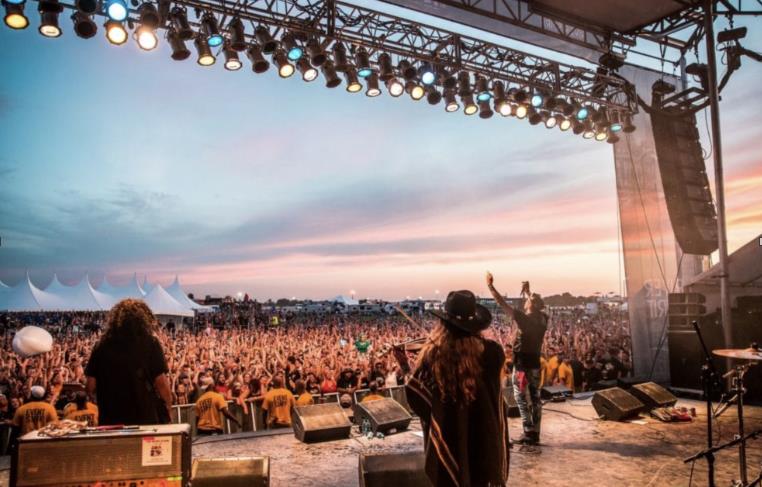
Rock music has always evolved by building on what came before, but today’s scene feels different. Instead of one generation replacing another, classic rock and new metal are thriving side by side. Festival lineups regularly feature legendary acts alongside rising artists, while streaming services introduce younger listeners to albums released decades before they were born.
The result is a music scene where age matters far less than energy. Fans who grew up with vinyl records are standing beside teenagers discovering iconic bands through Spotify playlists or TikTok clips. Rather than competing for attention, established legends and modern innovators are helping rock and metal reach broader audiences than ever before.
The modern festival experience reflects this shift. Concerts have become all-day events where fans spend hours exploring festival grounds, waiting between sets, checking schedules on mobile apps, chatting with friends, or enjoying quick digital entertainment on their phones. Some browse social media, while others use services such as a quick Reveryplay login to pass the time before the next band takes the stage. It’s a small part of the day, but it highlights how live music now exists within a wider entertainment experience.
Why Classic Rock Still Attracts New Generations
For decades, people predicted that classic rock would eventually become a niche genre. Instead, it continues to gain new listeners every year.
Part of its appeal comes from timeless songwriting. Songs written in the 1970s and 1980s still deliver memorable riffs, unforgettable choruses, and performances that feel just as powerful today.
Several factors keep these bands relevant:
- Streaming platforms make decades-old albums instantly accessible.
- Documentary series introduce legendary artists to younger audiences.
- Vinyl collecting has become popular again.
- Social media regularly revives classic performances through viral clips.
- Guitar tutorials often use iconic rock songs to teach beginners.
Many young musicians first encounter artists like Led Zeppelin, Black Sabbath, or Iron Maiden not through radio but through YouTube recommendations or streaming playlists.
The music simply refuses to age.
Unlike many pop productions tied to a specific era, classic rock often relies on strong musicianship instead of studio tricks. Live recordings from forty years ago still sound authentic because the performances were built around real instruments and experienced musicians.
The Enduring Appeal of Live Performance
Classic rock bands also built their reputations during a time when live performance determined success.
Before streaming, artists couldn’t rely on viral moments or carefully edited social media videos. They had to win audiences over every night on stage.
That experience still shows today.
Many legendary bands continue to deliver performances that demonstrate:
- exceptional musicianship;
- audience interaction;
- polished stage production;
- decades of touring experience.
These qualities create concerts that appeal even to people discovering the artists for the first time.
Modern Metal Is Writing Its Own Story
While classic rock remains influential, today’s metal scene isn’t interested in becoming a tribute act.
Modern bands freely combine influences from multiple genres.
Today’s releases often blend:
- progressive arrangements;
- hardcore intensity;
- electronic production;
- orchestral elements;
- melodic pop songwriting.
Rather than following one established formula, artists experiment without worrying about traditional genre boundaries.
This creative freedom has helped metal reach audiences that might never have considered themselves metal fans in previous decades.
Instead of waiting years for record label support, emerging bands now build careers independently through YouTube, TikTok, Spotify, and Bandcamp.
A single viral performance can transform an unknown group into a festival attraction almost overnight.
Streaming Changed Everything
Perhaps the biggest reason classic rock and new metal now share audiences is the way people discover music.
Streaming services no longer organize listening habits around decades.
Instead, algorithms focus on personal taste.
Someone who regularly listens to Sleep Token might suddenly receive recommendations for Dio.
A Metallica fan could easily discover Spiritbox.
Likewise, someone enjoying progressive rock playlists may encounter both Rush and Gojira within minutes.
This creates listening habits that ignore generational boundaries.
Instead of asking:
“Is this old or new?”
Listeners simply ask:
“Does this sound good?”
That subtle shift has changed the music industry more than almost any marketing campaign ever could.
Festivals Have Become Cross-Generational Experiences
Today’s biggest festivals deliberately mix generations because promoters understand that diversity creates stronger events.
A typical lineup may include:
- legendary arena rock bands;
- established heavy metal icons;
- breakthrough alternative acts;
- experimental progressive artists;
- completely new independent bands.
This variety benefits everyone involved.
Older fans discover fresh artists.
Younger listeners finally understand why certain legendary bands continue selling out stadiums after forty years.
The festival itself becomes a celebration of rock’s entire history rather than a snapshot of one specific era.
Shared Stages Are Changing Rock Culture
One of the clearest signs that classic rock and new metal are thriving together is the way festivals and tours are now curated. Twenty years ago, promoters often separated generations. Classic rock festivals catered to longtime fans, while newer metal events focused on the latest acts.
Today, those boundaries have almost disappeared.
Events like Download Festival, Hellfest, Rock am Ring, and Graspop Metal Meeting routinely feature artists from multiple generations on the same lineup. A fan might spend the afternoon watching Judas Priest or Deep Purple before ending the night with Sleep Token, Bring Me The Horizon, or Architects.
This approach creates an experience that’s richer than simply revisiting the past.
Instead of choosing between nostalgia and innovation, audiences get both.
Why mixed lineups work
There are several reasons promoters continue embracing cross-generational festivals:
- More diverse audiences. Families, longtime fans, and younger listeners all attend the same event.
- Better ticket sales. Broader lineups attract more demographics.
- Music discovery. Fans often leave talking about bands they hadn’t planned to watch.
- Longer engagement. Visitors stay for the full day rather than arriving only for a headline act.
For artists, these festivals also create valuable exposure.
A young metal band performing before a legendary act suddenly gains access to thousands of potential new fans. Meanwhile, established artists benefit from remaining connected to the evolving music scene instead of becoming isolated legacy performers.
Today’s Artists Celebrate Their Influences
Rather than distancing themselves from classic rock, many modern musicians openly embrace it.
Interviews regularly reveal younger artists citing influences such as:
- Black Sabbath
- Iron Maiden
- Led Zeppelin
- Rush
- Judas Priest
- Queen
- Metallica
These references aren’t simply marketing.
Many contemporary musicians grew up learning riffs from these bands before developing their own sound.
Likewise, veteran artists frequently praise younger performers for pushing heavy music into new territory.
This mutual respect has produced collaborations that would have seemed unlikely years ago.
Guest appearances, tribute concerts, collaborative tours, and festival performances increasingly bring together musicians separated by several decades of experience.
Instead of protecting musical “territory,” both generations benefit from sharing audiences.
Technology Has Changed the Festival Experience
Music may remain the main attraction, but attending a festival today involves much more than watching performances.
Modern festivals have become digital experiences.
Most attendees now use smartphones throughout the day to:
- check stage schedules;
- navigate festival maps;
- coordinate with friends;
- upload photos and videos;
- discover merchandise;
- order food;
- browse social media while waiting between performances.
Downtime has become part of the entertainment.
Long queues, transportation between stages, and breaks between favorite bands naturally encourage people to reach for their phones. Rather than replacing the live experience, digital entertainment fills the quieter moments that are part of every festival day.
This blending of live music and digital habits reflects how entertainment has evolved overall. People rarely focus on a single activity anymore—they move seamlessly between live events, streaming content, messaging friends, and other forms of online entertainment throughout the day.
Streaming Is Creating Unexpected Fans
Algorithms may be one of the biggest reasons classic rock and new metal continue to grow together.
Unlike traditional radio, streaming platforms don’t separate artists by decade.
Instead, recommendations are based on listening habits.
A playlist might naturally combine:
- AC/DC
- Ghost
- Metallica
- Sleep Token
- Iron Maiden
- Spiritbox
For younger listeners, discovering classic rock often happens accidentally.
Someone exploring modern metal may suddenly hear a legendary track because the platform recognizes similar guitar tones, vocal styles, or energy levels.
Likewise, longtime rock fans often discover newer bands that preserve the spirit of classic heavy music while introducing fresh production techniques and songwriting ideas.
The result is a fanbase that values quality over release dates.
Social Media Helps Every Generation
Social media has become another bridge between generations.
Classic performances regularly go viral through:
- YouTube Shorts;
- TikTok;
- Instagram Reels;
- Facebook fan groups.
A clip from a 1982 concert can reach millions of viewers within days.
At the same time, younger bands build audiences almost entirely through digital platforms before ever appearing on television or traditional radio.
This creates an interesting balance.
Classic artists gain renewed visibility.
New artists gain rapid exposure.
Both benefit from the same platforms.
Why Rock and Metal Have a Bright Future
For years, people questioned whether rock music could remain relevant in an industry increasingly dominated by pop, hip-hop, and electronic music.
Today’s festival attendance tells a different story.
Rock isn’t disappearing.
It’s evolving.
Several trends suggest this momentum will continue:
- Legacy bands continue introducing new listeners to timeless albums.
- Younger artists expand the genre without abandoning its roots.
- Streaming platforms remove generational barriers.
- Festivals increasingly celebrate musical diversity rather than strict genre divisions.
- Fans are more open than ever to discovering artists from different eras.
Perhaps most importantly, rock has stopped viewing age as a dividing line.
A teenager wearing a Black Sabbath shirt isn’t unusual anymore.
Neither is someone in their sixties becoming a fan of Sleep Token.
Music has become the common language.
Final Thoughts
The relationship between classic rock and new metal isn’t one of competition—it’s one of evolution.
Legendary artists continue proving why their music has endured for decades, while emerging bands bring fresh ideas that keep heavy music moving forward. Festivals, streaming platforms, and social media have made these worlds more connected than ever before, creating opportunities for fans to appreciate both heritage and innovation.
Whether it’s discovering a forgotten album through a recommendation algorithm, watching two generations share the same festival stage, or simply singing along with thousands of strangers who span every age group, today’s rock scene demonstrates that great music never truly becomes old.
The spotlight isn’t being passed from one generation to another.
It’s simply getting bigger.
Frequently Asked Questions
Why are classic rock and modern metal fans mixing more today?
Streaming platforms, diverse festival lineups, and social media have introduced listeners to artists from different generations, making age less important than musical taste.
Which festivals feature both classic rock and new metal bands?
Events such as Download Festival, Hellfest, Graspop Metal Meeting, and Rock am Ring regularly combine legendary rock acts with contemporary metal performers.
Why does classic rock continue attracting younger audiences?
Timeless songwriting, streaming services, documentaries, viral performances, and guitar-focused content on social media continue introducing classic rock to entirely new generations of listeners.