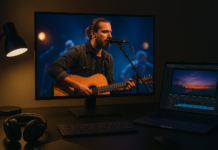


Some music makes you tap your foot. Other music makes you move. That’s the special thing about heavy, guitar-driven rock: it can flip you from “warming up” to “locked in” fast. Used the right way, Hard Rock for Gaming can help you keep energy steady, push through repetitive tasks, and stay sharper during fast action. It’s not a magic skill boost, but it can change your mood and pace in ways that matter. If you like high energy music for games, the goal is simple: use it like a tool, not like a wall of sound.
Why This Sound Fits Game Play
Many games are built around rhythm, even if you never think about it. Aim, dodge, reload, rotate, repeat. Rock often matches that loop because it usually has a strong backbeat and a clear pulse. That pulse can keep you alert and reduce the “sleepy drift” that happens in long sessions.
The same idea shows up in other game formats too: when the action is quick and repeat-based, a strong beat keeps your attention from wandering. Some players even use energetic tracks while doing short, fast rounds in slot-style games, including sessions with Book of Dead free spins no deposit, because the steady drive helps them stay engaged and avoid mindless clicking.
There’s a real performance idea behind this: when you’re too calm, you play slow and sloppy. When you’re too hyped, you overreact and make mistakes. Most people perform best somewhere in the middle, where they feel awake but controlled. Researchers often describe this as a balance between arousal and performance.
Rhythm and pace
A steady beat can support timing. In shooters, timing is peeking, recoil control, and not reloading at the worst moment. In racers, timing is corners and braking points. In action games, it’s dodges and combos. When the beat is consistent, it can help your hands stay consistent too.
This is one reason people put on rock music for gaming during warmups. The music keeps you moving, so you spend less time hesitating or zoning out. It can also help during grind sessions, when boredom is the real enemy.
Mood and confidence
Mood is not “extra” in games. If you get frustrated, your decisions get worse. If you feel flat, you stop trying. The right music can pull you back to a confident baseline, especially if it’s music you already love. Studies often show that preferred music can support attention and make tasks feel easier, particularly when the task is repetitive.
That’s why many players reach for music for focus. Not because it makes them smarter, but because it helps them stay engaged and steady.
Focus and Attention Rules
Music helps when it supports the game. It hurts when it competes with the game. A few simple rules keep you on the helpful side.
One key detail is lyrics. Words pull at your attention. If you’re reading, planning, or communicating, lyrics can interfere more than you expect. Research on reading and comprehension often finds worse performance with lyrical music compared with instrumental music or silence. That doesn’t mean you must avoid vocals forever. It means you should choose them based on what the game demands.
Lyrics: help or distraction
Vocals can be great for casual play, farming, and repeat runs. In those modes you usually don’t need deep focus every second, and lyrics can keep the session fun.
Vocals can be risky when you’re reading a lot, learning a new game, playing ranked, or using voice comms. If you notice you miss callouts, forget objectives, or lose track of what you were doing, switch to music without lyrics. That small change often fixes the problem while still giving you energy.
Volume and sound priority
Game sound is information. Footsteps, reload cues, ability sounds, and direction are part of performance. If music masks them, you’re paying a price.
A simple rule that works for most people is:
SFX louder than voice, voice louder than music.
It sounds obvious, but many players do the opposite when they get excited. Keep music present but not dominant. If you can’t clearly hear key cues, lower the music first.
Tempo match by moment
Tempo changes how you play. Fast tracks can push urgency. Mid-tempo tracks can keep you steady. Calmer tracks can reduce stress in tense games.
Fast tempo fits warmups, casual shooters, racing, and action-heavy loops. Mid-tempo fits strategy, building, and anything that rewards patience. Calmer tracks fit story scenes and exploration, where noticing details matters more than speed.
- Keep vocals low when you need reading, comms, or precise decisions.
- Keep music quiet enough that you don’t lose important cues.
- Match tempo to the mode: fast for action, steadier for planning, calmer for story.
Game Genres Where It Works Best
Not every game benefits the same way. Some games reward pure energy. Others reward calm attention. Here’s where high-energy rock usually fits best.
Shooters and fast action
This style works well for warmups and casual matches. It keeps your hands active and your pace consistent. The warning is competitive play where audio cues are crucial. If you play ranked shooters, be strict with volume and consider instrumental tracks. Missing one set of footsteps can cost a round.
Racing and sports
Racing games and sports games are natural matches because timing is everything. A driving beat can help you stay consistent over long sessions, especially when fatigue kicks in. It can also help you keep pressure high without feeling panicked.
Loot loops and repeat runs
This is where hard-hitting rock shines. Roguelikes, ARPG runs, farming, and grind-heavy games can get repetitive fast. Music can reduce boredom and keep your effort level steady. For these sessions, background music for games is less about hearing every cue and more about keeping the loop enjoyable.
Strategy and puzzles
Strategy and puzzles can work with rock, but you need restraint. Heavy tracks at high volume can make you rush. If you like rock here, go for cleaner mixes, lower volume, or instrumental rock. You want energy without mental clutter.
- Arena shooters and casual FPS: boosts pace, but protect cues in competitive modes.
- Racing and sports: supports timing and consistency over long sessions.
- Roguelikes and ARPG runs: reduces boredom and keeps momentum through repeats.
- Open-world farming and crafting: keeps energy up while you grind.
- Single-player action and hack-and-slash: matches combat loops and intensity.
- Strategy and puzzles: best with lighter or instrumental picks to avoid overload.
Soundtrack vs Personal Music
Game music is built to support the game. Your music is built to support you. Both can be great, and the best choice depends on what you’re doing.
A video game soundtrack often helps immersion. It’s tuned to the game’s pacing and sound design. It can guide emotion during story beats and highlight danger in a way that personal music can’t.
Personal music can help you find your own groove. Some players describe a “locked in” feeling where everything flows smoothly and time disappears. People often connect this to flow state music, even though flow depends mostly on challenge and attention. Music can support that state by keeping mood steady and blocking distractions.
When the in-game music is better
Use the in-game music when sound design is part of the challenge. Horror, stealth, and story games rely on tension and cues. Cutscenes and dialogue-heavy moments also land better with the intended soundtrack. Boss fights can go either way, but if the boss has audio tells, in-game sound is usually safer.
When your music is better
Personal music is great for training, grinding, casual sessions, and repeat content. It’s also useful when the game’s soundtrack becomes repetitive after hours of play. Switching to your own tracks can refresh the session without changing the game.
Setup Tips So You Don’t Miss Game Sounds
A good setup is mostly about balance. You want music and game audio to work together, not fight.
If you stream or record, there’s also a legal reality: copyrighted music can cause muted VODs or copyright issues on platforms. Twitch notes that copyrighted audio may be muted in VODs, and copyright enforcement depends on the situation. Spotify also states its service is for personal, non-commercial use and isn’t intended for public broadcast. If you want music on stream, use properly licensed “stream-safe” tracks or music you have rights to.
Headset vs speakers
A headset usually helps in competitive modes because it protects positional detail and makes cues clearer. It also makes it easier to keep music low while keeping SFX clear. Speakers can be great for chill solo sessions, especially if you’re not relying on precise footsteps.
Quick control
Give yourself fast control. Use a hotkey to pause. Pause music for cutscenes, heavy dialogue, and voice chat. If your system supports separate channels, keep your music in your headphones but out of the recording track. That way you can enjoy it without risking problems later.
Common Problems and Easy Fixes
If a session feels “off,” it’s usually not the genre. It’s the settings.
“It pulls my attention”
That’s music distraction. Start by lowering volume. If it still pulls you, switch to instrumental rock and avoid tracks with dramatic intros or sudden shifts. Keep the sound steady so your brain doesn’t chase it. The goal is to stay focused, not to react to every chorus.
“I miss footsteps and cues”
If cues disappear, fix the mix. Raise SFX, lower music, and reduce bass if you can. Bass-heavy tracks can mask footsteps and direction. In ranked modes, keep music conservative and save louder tracks for warmups or grind sessions where cues matter less.
Final Thoughts
High-energy rock can be a great match for games when you use it with control. Keep the mix clean, protect the cues that matter, and choose vocals only when the game allows it. Try it in short sessions, adjust volume and track style, and you’ll find a setup that feels exciting without making you sloppy or distracted.